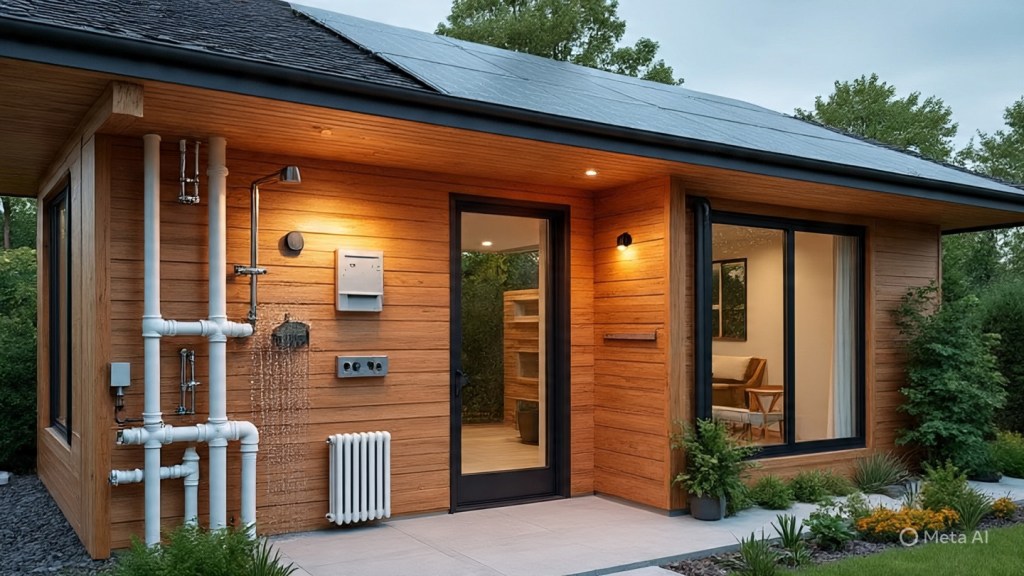


It’s easy to overlook how much energy and water flow through a home every day—until the bills start creeping up or a boiler gives out mid-winter. But beyond comfort and cost, there’s a bigger picture to consider.
Improving your plumbing and heating setup can play a meaningful role in reducing your household’s carbon footprint.
This guide will discuss how to assess your current systems, upgrade for efficiency, and adopt habits that support long-term sustainability.
Start With a System Review
Before you make any changes, it’s worth understanding how your existing plumbing and heating systems are performing. Identifying inefficiencies early can prevent wasted energy, high bills, and unnecessary repairs.
Hire a Professional Audit
Bringing in a qualified heating engineer or plumber to inspect your home can highlight problems you may not even be aware of.
With thermal imaging tools and leak detection equipment, professionals can assess insulation levels, check for hidden faults, and evaluate the overall age and efficiency of your systems.
Although a professional audit does come with an upfront cost, it often pays for itself by identifying energy or water loss that could otherwise go unnoticed.
Many local councils or energy providers offer subsidised assessments, so it’s worth checking if any support is available in your area.
Do-It-Yourself Checks
If you’d rather begin with a self-assessment, start by reviewing your boiler. Older models tend to be less efficient—especially if they haven’t had regular servicing. Inspect pipework for corrosion or damp spots, which could indicate leaks.
Check that your thermostat settings are appropriate for your household routine and aren’t causing the heating to work overtime.
Also take a look at insulation, particularly in the loft and along exposed pipework. Poor insulation forces your heating system to work harder, wasting energy in the process. Water bills with unusual spikes also suggest undetected leaks or inefficient appliances.
Taking these steps gives you a clearer picture of what to improve—and what to leave alone.
Upgrade to Smarter, Greener Equipment
Once you’ve assessed your systems, upgrading old appliances is one of the most effective ways to reduce your environmental impact.
Choose Energy-Efficient Options
Modern condensing boilers, for example, can recover more heat from fuel compared to traditional models, significantly improving efficiency. Similarly, low-flow taps, toilets, and showerheads are designed to use less water without compromising performance.
When shopping for replacements, look for products with high energy efficiency ratings, such as those certified under the Energy Saving Trust. While they carry a higher price tag upfront, the long-term savings on water and energy bills make them a sound investment.
Take Advantage of Government Support
There are a range of government-backed schemes and local rebates aimed at encouraging greener home improvements. Depending on where you live, you could receive financial assistance to upgrade to eco-friendly boilers or water-saving appliances.
Check with your local authority or energy provider for current offers—many can guide you towards approved installers as well.
Switching to efficient systems not only lowers your energy use but often results in smoother, quieter, and more reliable home heating and water services.
Insulate to Retain Heat and Protect Pipes
Insulation is fundamental to both comfort and conservation. When done properly, it reduces the amount of energy needed to keep your home warm and your water hot.
Pipe Lagging Basics
Lagging exposed pipes—particularly those in lofts, garages, or basements—can prevent heat loss and reduce the risk of pipes freezing in winter. Foam lagging sleeves are easy to install: simply measure the diameter of the pipe, cut to length, and secure with adhesive tape or clips.
Reflective or recycled materials can provide even better insulation, especially in colder spaces. If you’re unsure what insulation to choose, a professional plumbing service can recommend materials suited to your property’s layout and climate.
Broader Insulation Improvements
Beyond pipes, check your loft, cavity walls, and hot water cylinder for proper insulation. Homes without sufficient thermal barriers lose a significant amount of heat through the roof and walls.
Increasing your insulation thickness, or upgrading to newer materials, improves energy efficiency and reduces strain on your heating system.
Well-insulated homes maintain a more stable temperature, leading to greater comfort and lower energy bills throughout the year.
Install Smart Controls for Precise Heating
Heating your home more efficiently doesn’t always mean turning the thermostat down. With smart heating controls, you can manage your system far more accurately—without sacrificing comfort.
How Smart Thermostats Work
These devices learn your daily patterns and adjust heating schedules automatically. Many come with mobile apps, allowing you to control your heating remotely or monitor energy use over time. Some systems can even detect when you’ve left the house and turn down the heat accordingly.
Installing a smart thermostat could reduce your heating costs by 10–15% a year, according to multiple energy studies. When combined with zoning controls—where different parts of the home are heated independently—you gain even greater control and efficiency.
Picking the Right Model
When selecting a smart thermostat, make sure it’s compatible with your current boiler and heating system. Some work better with combi boilers, while others are more suited to systems with hot water cylinders.
Ease of use is also key—intuitive controls or a user-friendly app make a significant difference in day-to-day operation.
If you’re uncertain, a professional handyman or heating expert can help with installation and system integration.
Use Less Water Without Sacrificing Function
Reducing water consumption is just as important as saving energy. Fortunately, there are a few straightforward techniques that can make a substantial difference.
Harvesting Rainwater
Installing a rainwater harvesting system allows you to collect runoff from your roof into a storage tank. This water can then be used for garden irrigation, flushing toilets, or washing your car.
It’s a practical way to cut down on your mains water usage—especially during dry months.
Reusing Greywater
Greywater systems divert lightly-used water from sinks, showers, and washing machines to reuse in the garden or for toilet flushing. While they require proper plumbing and filtration, they’re safe and sustainable when installed correctly.
Both methods not only lower your water bill but reduce strain on the local water supply. If you’re considering installation, speak to an expert repair service to ensure it meets UK safety and building regulations.
Keep Your Systems in Top Condition
Even the most efficient plumbing and heating systems will underperform if not properly maintained. A consistent maintenance routine helps prevent breakdowns, conserve resources, and extend the lifespan of your equipment.
Here are some simple tasks you can handle:
- Check for drips and leaks in taps and exposed pipes—these can waste litres of water daily if ignored.
- Bleed radiators once a year to remove trapped air, improving heating efficiency.
- Inspect pipe insulation, especially in colder parts of the house, and replace any sections that are damaged or worn.
Still, some tasks are better left to an expert. An annual boiler service by a Gas Safe registered engineer ensures safe operation and maintains energy efficiency.
A professional plumber can also carry out a full pipe inspection, spotting early signs of corrosion or hidden leaks that you might not detect on your own.
Investing in routine servicing doesn’t just prevent emergencies—it also supports the long-term sustainability of your home.
Conclusion
Making your home more eco-friendly doesn’t require massive changes all at once. It starts with understanding how your plumbing and heating systems are working, making upgrades where needed, and forming better maintenance habits.
Whether it’s insulating pipes, installing smart thermostats, or harvesting rainwater, every small improvement contributes to a more efficient home.
And when the job calls for expertise, a trusted plumbing professional can help you make the most of your investment—saving both energy and money for years to come.

 Code Blog
Leave a comment