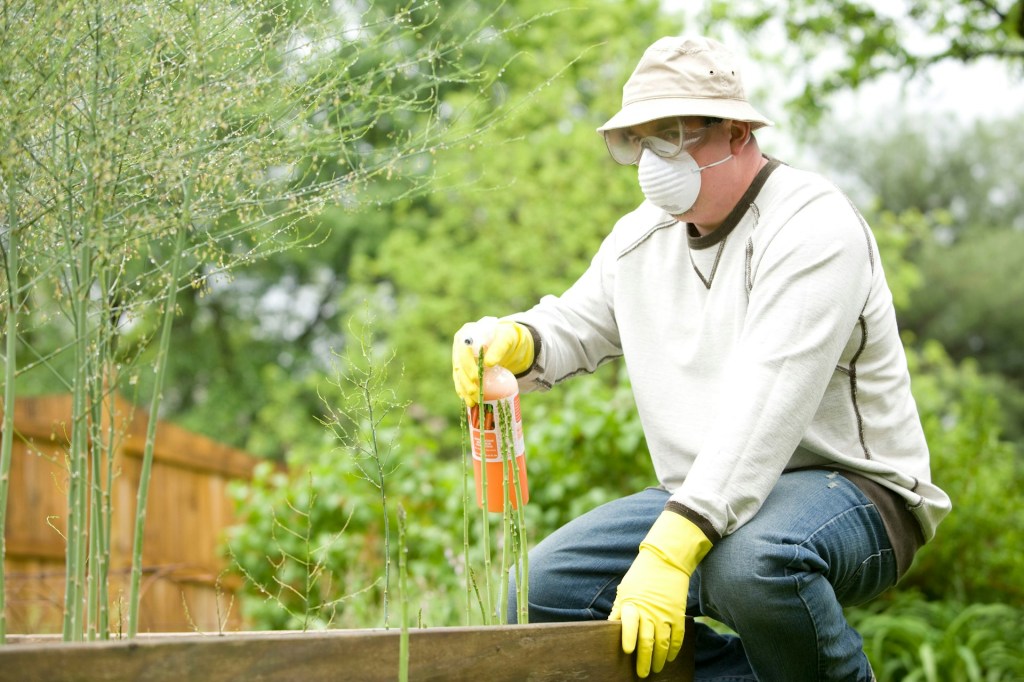


Pests are more than just a nuisance — they can be a serious threat to health, safety, and property. From rodents gnawing on electrical wiring to insects spreading harmful bacteria, an infestation can quickly escalate into a costly and dangerous problem. Whether you are a homeowner, landlord, or business operator, professional pest control services can make the difference between a quick resolution and a long-term battle.
In this guide, we’ll explore why pest control is essential, the types of services available, the role of modern technology in pest management, and how to choose the right Pest control experts for your needs.
1. Why Pest Control is More Important Than Ever
Urbanisation, global trade, and climate change have altered the way pests behave and spread. Warmer winters mean some pests remain active year-round, while international shipping has introduced invasive species to new regions. With these changes, professional pest management is no longer a seasonal concern but a year-round necessity.
Some key reasons pest control is critical include:
- Health Risks – Rodents, cockroaches, and flies can carry pathogens such as Salmonella, E. coli, and hantavirus.
- Property Damage – Termites, rats, and carpenter ants can destroy wood, wiring, and insulation.
- Business Reputation – In sectors like food service or hospitality, a single pest sighting can result in negative reviews, loss of customers, or even legal action.
- Legal Compliance – Businesses in certain industries must comply with strict pest control regulations.
2. Common Pests and Their Dangers
Pests come in many forms, and each type poses unique challenges. Here are some of the most common offenders:
Rodents
- Mice and rats breed rapidly and can squeeze through gaps as small as a coin.
- They damage property by chewing through wires, which can lead to electrical fires.
- They contaminate food storage areas with droppings and urine.
Insects
- Cockroaches are resilient, fast-breeding, and capable of spreading bacteria.
- Ants can infest kitchens and food storage areas, sometimes causing structural damage.
- Bedbugs feed on human blood and can cause severe allergic reactions and sleep disruption.
Wood-Destroying Pests
- Termites can consume wood structures silently for years before being detected.
- Carpenter ants hollow out wooden beams, weakening buildings from the inside.
Wildlife Intruders
- Squirrels in lofts or attics can chew insulation and wiring.
- Birds like pigeons can spread disease and damage buildings with acidic droppings.
3. The Role of Pest Control Experts
Professional pest controllers are more than exterminators; they are trained problem-solvers who combine knowledge of biology, environmental science, and safety protocols. The best Pest control experts don’t just treat an infestation — they aim to prevent it from happening again.
Skills and Services Offered
- Inspection and Identification – Determining the pest species and assessing the extent of the infestation.
- Safe and Targeted Treatments – Using chemicals or non-chemical methods in compliance with safety regulations.
- Exclusion Techniques – Sealing entry points to prevent pests from returning.
- Monitoring and Follow-up – Ensuring the treatment is effective and no pests remain.
4. Integrated Pest Management (IPM): The Modern Approach
Gone are the days when pest control meant indiscriminately spraying chemicals. Today, many professionals follow the Integrated Pest Management (IPM) approach, which focuses on prevention, monitoring, and targeted treatments.
Key Principles of IPM:
- Prevention First – Addressing sanitation, waste management, and structural maintenance to eliminate conditions pests thrive in.
- Regular Monitoring – Detecting problems early before they escalate.
- Targeted Control Methods – Using traps, biological controls, and minimal pesticide use for environmental safety.
- Ongoing Education – Advising clients on how to maintain pest-free conditions.
5. The Importance of Safe and Eco-Friendly Pest Control
With growing awareness of environmental issues, many homeowners and businesses prefer eco-conscious pest control options. This includes:
- Using biodegradable, low-toxicity pesticides.
- Employing heat treatments for bedbugs and other pests.
- Introducing beneficial predators, such as certain insects, to control pest populations naturally.
Choosing environmentally responsible Pest control experts ensures that your pest problem is solved without harming local ecosystems.
6. Choosing the Right Pest Control Experts
Not all pest control companies are the same. Here’s how to find the right fit:
- Licensing and Certification – Ensure the company is certified by relevant health or pest control authorities.
- Experience and Specialisation – Look for expertise in dealing with your specific pest issue.
- Reputation and Reviews – Read online feedback and ask for client references.
- Insurance Coverage – Check that they have liability insurance in case of property damage.
- Service Guarantees – A trustworthy company should offer follow-up visits if pests return.
- Transparent Pricing – Avoid vague estimates; request detailed quotes.
7. Preventing Future Infestations
Even after professional treatment, prevention is key. Some practical tips include:
- Seal Entry Points – Use caulk or mesh to block gaps in walls, floors, and windows.
- Maintain Cleanliness – Store food in sealed containers and clean spills promptly.
- Manage Waste – Dispose of rubbish regularly in sealed bins.
- Regular Inspections – Have pest control professionals check your property periodically.
8. Cost of Pest Control Services
Pricing varies depending on:
- The type of pest
- The severity of the infestation
- Property size
- Number of treatment visits required
For example, dealing with a small ant problem in a kitchen may cost far less than tackling a widespread rodent infestation in a large commercial building. However, investing in professional pest control often saves money in the long run by preventing extensive damage.
9. When to Call Pest Control Immediately
While minor pest problems can sometimes be handled with DIY methods, certain situations require urgent professional attention:
- Signs of rodents, such as gnaw marks or droppings.
- Visible bedbugs or bites after sleeping.
- Structural damage from termites or carpenter ants.
- Persistent pest activity despite home treatments.
10. Final Thoughts
Pest infestations can quickly spiral out of control, impacting health, safety, and financial well-being. Relying on trained, experienced Pest control experts ensures that infestations are eliminated efficiently, safely, and with long-term prevention in mind.
Whether you’re dealing with mice in your kitchen, termites in your foundation, or bedbugs in your bedroom, timely professional intervention is the smartest choice. By combining preventive measures with expert treatment, you can enjoy a safe, pest-free home or workplace year-round.


 Code Blog
Leave a comment