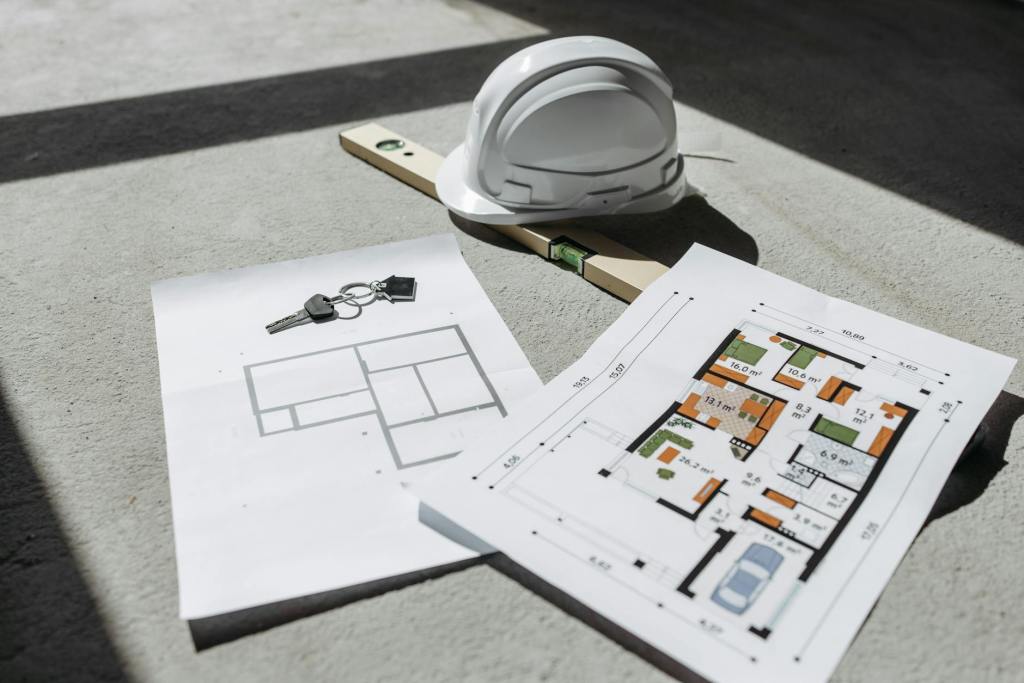


Every commercial property depends on a stable and well-organized electrical system. Whether it is a retail space, warehouse, office, restaurant, or multi-use building, electrical infrastructure affects daily operations in ways that are easy to overlook until problems occur.
Business owners often focus on visible improvements such as branding, layout, equipment, or customer experience. However, the electrical system behind those operations plays a major role in efficiency, safety, and long-term operating costs. Careful planning and professional electrical work can help businesses avoid downtime while supporting future growth.
Why Commercial Electrical Needs Are Different
Commercial electrical systems are generally more complex than residential setups. Businesses often operate larger equipment, require more extensive lighting systems, and rely on multiple circuits running continuously throughout the day.
Unlike a home environment, commercial properties may also need to support:
- Specialized machinery
- Security systems
- Data and networking equipment
- Refrigeration systems
- Commercial HVAC systems
- Exterior signage
- Emergency lighting
- Backup power systems
Because these systems are heavily used, even small electrical issues can interrupt operations and affect productivity.
Electrical Downtime Can Be Expensive
When electrical problems occur in a business environment, the impact can spread quickly. A tripped breaker, faulty circuit, or overloaded panel may lead to lost revenue, delayed work, damaged equipment, or frustrated customers.
For example:
- A restaurant could lose refrigeration during an outage.
- An office may experience network interruptions.
- A warehouse could face equipment shutdowns.
- A retail store might lose lighting or payment systems.
- A manufacturing operation could halt production.
Preventive planning helps reduce the risk of these disruptions and gives businesses more reliable day-to-day performance.
Lighting Plays a Bigger Role Than Many Realize
Commercial lighting affects more than visibility. It influences customer experience, employee comfort, productivity, and energy costs.
Interior Lighting Improvements
Offices and retail spaces often benefit from upgraded LED systems that provide brighter, more consistent illumination while reducing energy consumption.
Well-designed lighting layouts can:
- Improve workplace visibility
- Reduce glare
- Create a more professional appearance
- Lower maintenance costs
- Improve overall efficiency
Exterior Lighting and Security
Parking lots, building entrances, pathways, and loading areas also require dependable lighting. Exterior lighting supports safety while improving visibility for customers and employees after dark.
Motion lighting, timers, and smart controls can help businesses manage energy use more effectively.
Planning for Expansion Early
One of the most common commercial electrical mistakes is designing a system only for current needs without considering future growth.
Businesses evolve over time. Additional workstations, upgraded equipment, expanded operating hours, or new technology can increase electrical demand quickly.
Planning ahead may include:
- Installing larger panels
- Adding extra conduit capacity
- Preparing dedicated circuits
- Improving surge protection
- Supporting future equipment upgrades
A proactive approach often reduces future construction costs and minimizes operational disruptions later on.
Safety and Code Compliance Matter
Commercial properties must meet strict electrical codes and safety requirements. Compliance is important not only for legal reasons but also for employee safety and liability reduction.
Issues such as overloaded circuits, outdated wiring, improper grounding, or damaged equipment can create serious hazards.
Routine inspections and maintenance help identify problems before they become emergencies. Businesses that stay ahead of electrical concerns often avoid larger repair expenses down the road.
Many companies working with North Las Vegas electrical contractors prioritize preventive improvements because they understand how important electrical reliability is to daily operations.
Energy Efficiency Can Lower Operating Costs
Energy efficiency is increasingly important for commercial property owners looking to manage overhead expenses. Electrical upgrades can contribute to long-term savings without sacrificing performance.
Smart Energy Improvements
Common energy-saving upgrades include:
- LED retrofits
- Occupancy sensors
- Automated lighting schedules
- Updated electrical panels
- Efficient exterior lighting
- Smart climate control systems
While no upgrade eliminates energy costs entirely, strategic improvements can reduce waste and improve overall system performance.
The Importance of Professional Troubleshooting
Commercial electrical issues are not always obvious. Problems such as voltage fluctuations, intermittent outages, or hidden wiring faults may require advanced diagnostic work.
Attempting temporary fixes without identifying the root cause can allow problems to continue or worsen over time.
Professional troubleshooting helps businesses:
- Locate hidden electrical faults
- Reduce recurring outages
- Protect sensitive equipment
- Improve overall system stability
- Maintain code compliance
A thorough evaluation can often reveal underlying issues that would otherwise remain unnoticed.
Supporting Modern Technology
Technology continues to change how businesses operate. Many commercial spaces now depend on cloud-based systems, automated equipment, security networks, and high-speed communications infrastructure.
These systems require reliable electrical support to function properly. Stable power distribution, surge protection, and organized wiring layouts help reduce interruptions and protect critical equipment.
Businesses planning technology upgrades should evaluate whether their current electrical infrastructure can support future demands effectively.
Conclusion
Reliable electrical systems are essential to commercial success. From lighting and safety to equipment performance and operational continuity, electrical infrastructure supports nearly every aspect of a business environment.
By planning ahead, addressing maintenance early, and investing in professional electrical solutions, commercial property owners can create safer, more efficient spaces that are better prepared for long-term growth and changing operational needs.


 Code Blog
Leave a comment