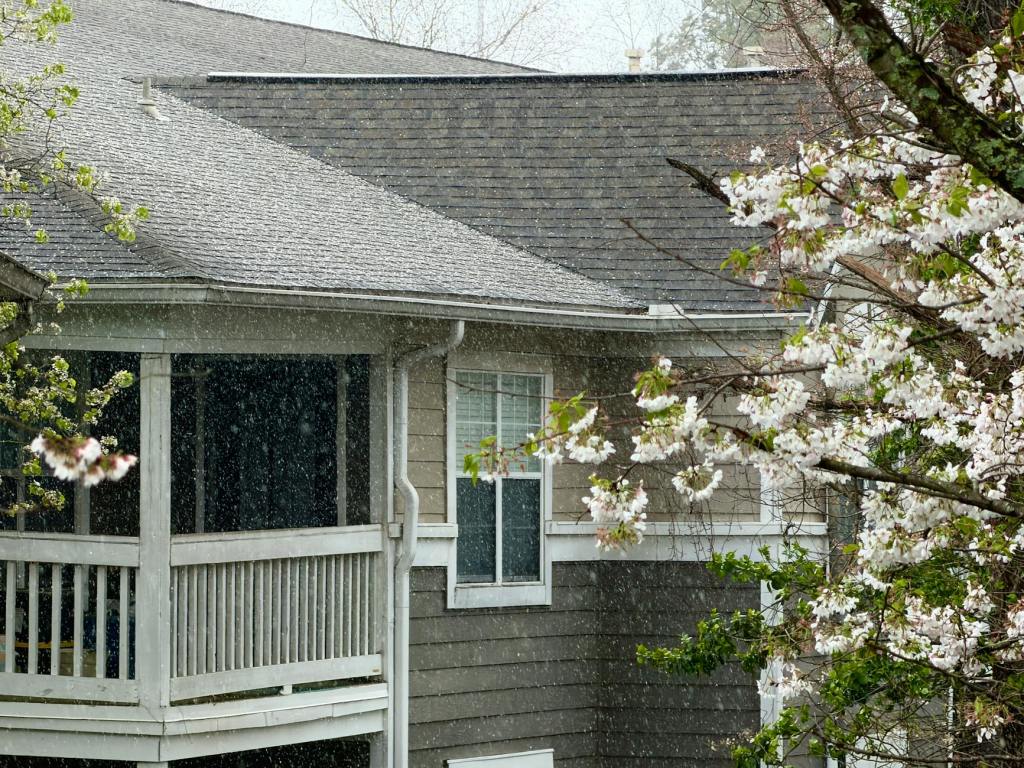


Storms can pass in a matter of hours, but their impact on your home—especially your roof—can last much longer. High winds, heavy rain, and flying debris all take a toll, often leaving behind damage that isn’t immediately visible. For homeowners, knowing what to do after the skies clear is just as important as preparing before a storm hits.
A proactive approach to storm recovery not only prevents further damage but also helps preserve your home’s long-term value.
How Storms Affect Your Roof
Different types of storms create different kinds of damage. While some effects are obvious, others remain hidden until they worsen over time.
Common Types of Storm Damage:
- Wind damage: Shingles can be lifted, loosened, or completely torn off
- Hail impact: Small dents or cracks weaken roofing materials
- Water infiltration: Heavy rain finds its way into vulnerable areas
- Debris damage: Falling branches or airborne objects can puncture surfaces
Even minor damage can compromise your roof’s ability to protect your home effectively.
Immediate Steps to Take After a Storm
Once it’s safe to go outside, it’s important to assess your property carefully. Acting quickly can prevent small issues from turning into major repairs.
Post-Storm Checklist:
- Visually inspect your roof from the ground Look for missing shingles, sagging areas, or visible debris.
- Check your attic and ceilings Water stains or damp spots may indicate leaks.
- Clear gutters and downspouts Blockages can lead to water buildup and additional damage.
- Document any visible issues Take photos for insurance purposes before making repairs.
- Avoid climbing onto the roof yourself Leave detailed inspections to professionals for safety reasons.
Hidden Damage: The Silent Threat
One of the biggest challenges after a storm is identifying damage that isn’t immediately visible. A roof may look intact from the outside while underlying issues continue to worsen.
Signs of Hidden Damage:
- Gradual water stains appearing days later
- Musty odors indicating moisture buildup
- Increased indoor humidity
- Peeling paint or bubbling drywall
Ignoring these warning signs can lead to mold growth, insulation damage, and structural concerns.
Why Professional Inspections Matter
While a basic visual check is helpful, a professional inspection provides a comprehensive evaluation. Experts know where to look and can identify problems that homeowners often miss.
A qualified roofing professional will:
- Assess structural integrity
- Check for compromised materials
- Evaluate flashing and ventilation systems
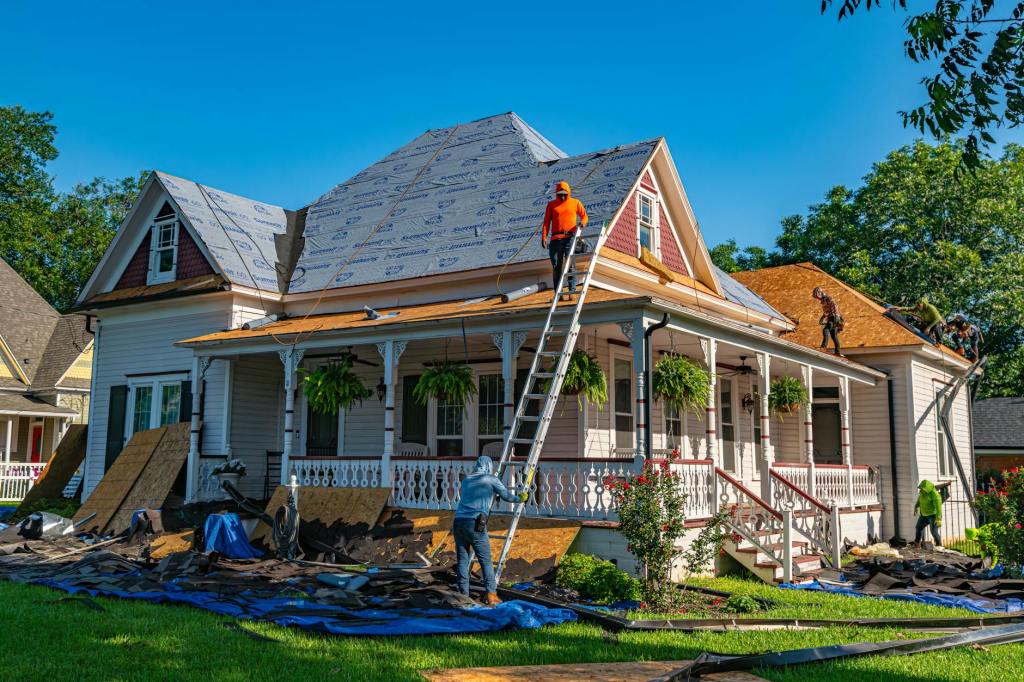
- Provide clear recommendations for repair or replacement
For homeowners dealing with severe weather impacts, learning more about South Metro Atlanta storm damage roofing can offer valuable insight into how specialized services address storm-related issues effectively.
Navigating Insurance Claims
Filing an insurance claim after storm damage can feel overwhelming, especially if you’re unfamiliar with the process. Being prepared and organized makes a significant difference.
Tips for a Smoother Claims Process:
- Report damage as soon as possible
- Provide clear photo documentation
- Keep records of inspections and estimates
- Understand what your policy covers
- Communicate regularly with your insurance provider
Working with experienced professionals can also help ensure that nothing is overlooked during the claims process.
Repair vs. Replacement After a Storm
Not all storm damage requires a full roof replacement, but in some cases, repairs may not be enough.
Consider Repairs If:
- Damage is limited to a small area
- The roof is relatively new
- Materials are still in good condition
Consider Replacement If:
- Damage is widespread
- The roof is nearing the end of its lifespan
- Structural integrity is compromised
Making the right choice depends on a careful evaluation of both current damage and future risks.
Preventing Future Storm Damage
While no roof is completely storm-proof, there are steps you can take to reduce the risk of damage in the future.
Preventative Measures:
- Schedule regular roof inspections
- Reinforce vulnerable areas such as flashing
- Trim overhanging tree branches
- Upgrade to impact-resistant materials when possible
- Ensure proper attic ventilation
Investing in prevention today can save significant time and money later.
The Long-Term Impact of Timely Action
Delaying repairs after a storm can lead to compounding problems that are far more expensive to fix. Water intrusion, for example, can spread quickly and affect multiple areas of your home.
Taking prompt action helps:
- Preserve structural integrity
- Maintain indoor air quality
- Protect personal belongings
- Avoid escalating repair costs
In many cases, early intervention is the difference between a manageable repair and a major renovation.
Conclusion
Storm damage can be unpredictable, but your response doesn’t have to be. By understanding the types of damage that storms cause, taking immediate action, and relying on professional expertise, homeowners can protect their property and avoid long-term complications.
Your roof serves as your home’s first line of defense, and keeping it in top condition is essential—especially after severe weather. With the right approach, you can recover quickly, strengthen your home, and be better prepared for whatever comes next.

 Code Blog
Leave a comment