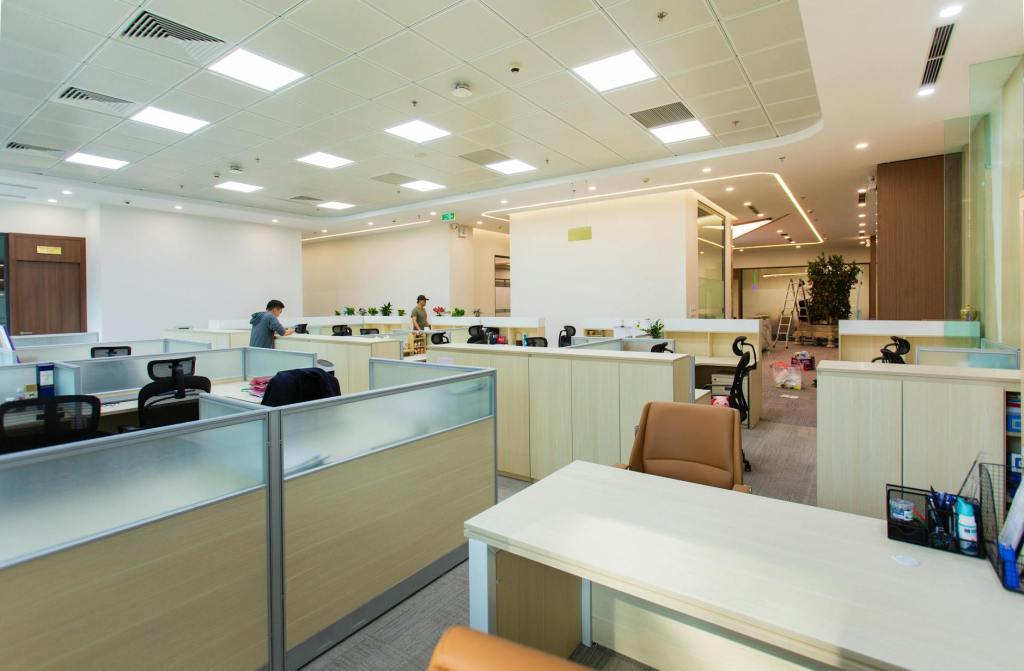


Lighting is one of the easiest building features to overlook until it starts causing problems. Dim aisles, harsh office glare, flickering fixtures, and poorly lit exterior areas can all affect how people feel, work, and move through a business space.
Why Commercial Lighting Deserves More Attention
For many businesses, lighting is treated as a basic utility: flip the switch, keep the lights on, and replace bulbs when they fail. But in offices, warehouses, retail stores, restaurants, clinics, and multi-tenant buildings, lighting plays a much larger role.
Good lighting can improve visibility, reduce avoidable safety risks, support employee comfort, and make a space feel more professional. Poor lighting can do the opposite. It may create shadows in work zones, make products look less appealing, or cause customers to feel that a space is outdated.
Business owners and property managers should think about lighting as part of the building’s overall performance. The goal is not simply brightness. The right lighting plan balances function, energy use, placement, controls, and long-term maintenance.
Common Signs Your Lighting System Needs an Upgrade
Commercial lighting systems often decline gradually. Because the change is slow, teams may adjust to the problem instead of recognizing it. A lighting review may be worthwhile if you notice:
- Employees using desk lamps because overhead lighting is inadequate
- Flickering, buzzing, or uneven light levels
- Dark corners in parking lots, hallways, or storage areas
- Frequent bulb or ballast replacements
- High energy bills connected to older fixtures
- Lighting that feels too harsh for customers or staff
- Fixtures that no longer match the layout of the space
These issues are especially common after a tenant improvement, remodel, equipment change, or expansion. A lighting setup that worked for one floor plan may not work after walls, shelving, desks, or machinery are moved.
Matching Lighting to the Purpose of Each Area
A strong commercial lighting plan starts with the purpose of the space. Different areas need different lighting strategies.
Offices and Administrative Areas
Office lighting should support concentration without creating eye strain. Even, comfortable light is usually more useful than maximum brightness. Placement matters because glare on screens can reduce comfort and productivity.
Retail and Customer-Facing Spaces
Retail lighting needs to guide attention. Accent lighting can highlight displays, while general lighting helps customers move comfortably through the space. The color and warmth of the lighting can also affect how products, finishes, and interiors appear.
Warehouses and Industrial Areas
In warehouses, lighting is closely tied to safety and efficiency. Workers need clear visibility around shelves, loading areas, equipment, and walkways. Fixture placement and durability are especially important in these environments.
Exterior and Parking Areas
Exterior lighting supports visibility after dark and helps customers, employees, and vendors navigate the property. Entryways, signs, walkways, loading zones, and parking areas should be evaluated together rather than treated as separate fixes.
Energy Efficiency Without Sacrificing Performance
Many businesses consider lighting upgrades because they want to reduce energy use. Modern fixtures and controls can help, but efficiency should never come at the expense of usability.
A well-planned upgrade may include LED fixtures, motion sensors, timers, daylight-responsive controls, or zoning. The right combination depends on how the building is used. For example, a warehouse with intermittent activity may benefit from occupancy sensors, while a retail showroom may need consistent lighting during business hours.
The best results often come from evaluating both the fixtures and the controls. Replacing outdated fixtures is helpful, but adding smarter control over when and where lights operate can further reduce waste.
Why Professional Installation Matters
Commercial lighting projects involve more than mounting fixtures. Electrical load, circuit capacity, code requirements, ceiling type, mounting height, controls, emergency lighting, and permitting may all come into play. Mistakes can lead to unreliable performance, inspection delays, or added costs later.
Businesses planning a lighting upgrade should work with qualified electricians who understand commercial environments. For companies evaluating options for [[LINK:index]]commercial lighting installation San Jose, it helps to consider not only the fixture design but also the electrical infrastructure behind it.
A professional installation can help ensure that the lighting system is safe, properly powered, and suitable for the space. It can also reduce disruption by coordinating work around business hours, tenant schedules, or phased improvements.
Planning a Lighting Project the Right Way
Before replacing fixtures, businesses should define what success looks like. A clear plan helps avoid overbuying, under-lighting, or installing fixtures that do not match the daily use of the building.
Helpful planning questions include:
- Which areas feel too dark, too bright, or unevenly lit?
- Are there safety concerns in walkways, workstations, or exterior spaces?
- Has the business layout changed since the current lighting was installed?
- Are maintenance costs becoming too frequent?
- Do employees or customers regularly comment on lighting quality?
- Are there opportunities to use controls to reduce unnecessary energy use?
Answering these questions helps guide the project toward practical improvements rather than cosmetic changes alone.
Conclusion
Commercial lighting affects safety, productivity, energy use, customer experience, and the overall impression of a business. When lighting is planned carefully, it becomes a long-term asset rather than a recurring frustration.
Whether the goal is brighter work areas, lower maintenance, better exterior visibility, or a more polished customer environment, the best results come from matching the lighting design to the way the space is actually used. For San Jose businesses, thoughtful planning and professional installation can make a noticeable difference in daily operations.



 Code Blog
Leave a comment