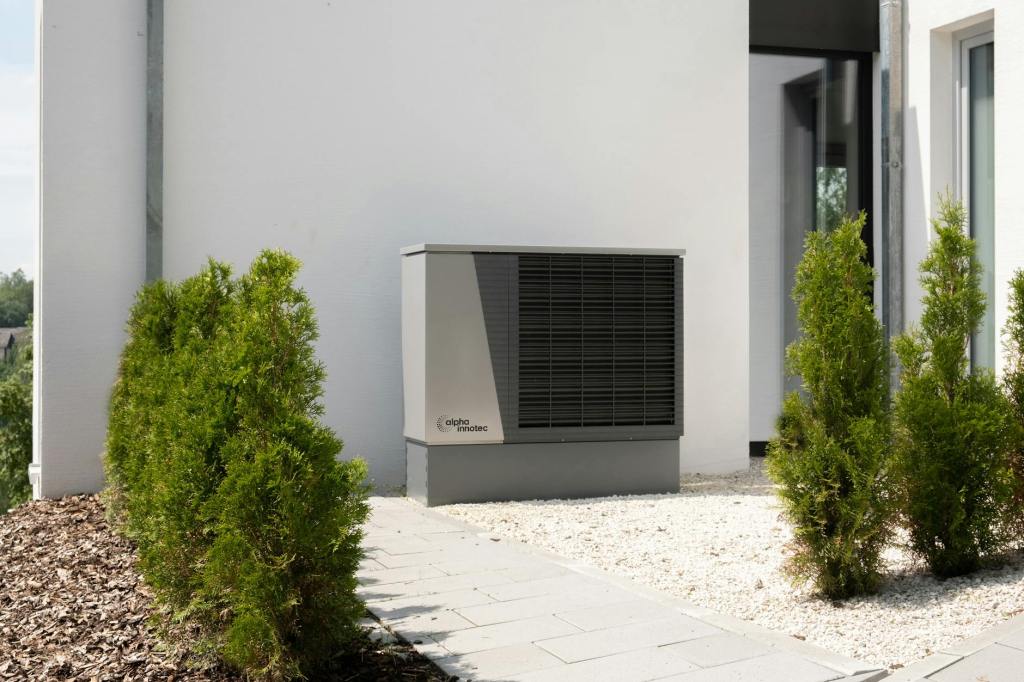


Homeowners today expect more from their living spaces than ever before. Comfort is no longer limited to having a working air conditioner or heater. People want energy efficiency, healthier indoor air, lower utility costs, and dependable climate control throughout the year.
As technology continues to evolve, modern HVAC systems have become far more advanced than older heating and cooling setups. Newer systems are designed to improve comfort while reducing waste and supporting long-term home efficiency.
For homeowners considering upgrades or trying to maintain existing equipment, understanding the benefits of modern HVAC solutions can help guide smarter decisions.
The Shift Toward Smarter Climate Control
Traditional HVAC systems often operated with basic on-and-off functionality. While effective for temperature control, many older units lacked precision and efficiency.
Modern systems now include advanced features that improve both performance and convenience. Smart thermostats, variable-speed motors, zoning capabilities, and energy-efficient components allow homeowners to customize comfort while reducing unnecessary energy usage.
One major advantage of newer HVAC technology is consistency. Instead of large temperature swings throughout the day, advanced systems maintain steadier indoor conditions.
This creates a more comfortable living environment while placing less strain on equipment.
Why Energy Efficiency Matters More Today
Energy costs continue to rise in many regions, making HVAC efficiency a growing concern for homeowners. Heating and cooling systems account for a significant portion of household energy usage.
An inefficient system may waste energy through:
- Poor airflow
- Dirty components
- Refrigerant problems
- Outdated technology
- Improper sizing
- Leaky ductwork
Even small inefficiencies can add up over time.
Modern HVAC systems are designed with higher efficiency ratings that help reduce monthly utility bills while supporting better environmental performance.
Features such as programmable thermostats and variable-speed compressors allow systems to adjust output based on actual demand rather than operating at full power constantly.
This not only saves energy but may also extend equipment lifespan by reducing wear and tear.
Indoor Air Quality Is Now a Major Priority
Homeowners are becoming increasingly aware of the importance of indoor air quality. Since many people spend a large portion of their time indoors, the condition of indoor air can significantly affect comfort.
HVAC systems play an important role in circulating and filtering air throughout a home.
Modern systems often include enhanced filtration options that help capture:
- Dust
- Allergens
- Pet dander
- Airborne particles
- Certain pollutants
Humidity control also contributes to healthier indoor conditions.
Excess humidity may create discomfort and encourage mold growth, while extremely dry air can cause irritation and reduce comfort levels.
Advanced HVAC systems help regulate humidity more effectively, creating a balanced indoor environment.
The Importance of Proper System Sizing
One common mistake homeowners make is assuming that bigger HVAC systems automatically perform better.
In reality, oversized systems can create problems.
A system that is too large may cycle on and off too frequently, leading to inconsistent temperatures and increased energy consumption. On the other hand, undersized systems may struggle to keep up during extreme weather.
Professional system evaluation is essential for determining the right size based on:
- Home square footage
- Insulation quality
- Window placement
- Ceiling height
- Climate conditions
- Airflow design
Choosing appropriately sized equipment improves efficiency, comfort, and long-term reliability.
Seasonal Maintenance Protects Performance
Even the best HVAC systems require ongoing maintenance.
Routine inspections and tune-ups help ensure equipment continues operating efficiently over time. Preventive maintenance also helps identify small problems before they develop into major repairs.
A typical maintenance visit may include:
- Cleaning coils and components
- Checking refrigerant levels
- Inspecting electrical connections
- Replacing or cleaning filters
- Testing thermostat performance
- Evaluating airflow
- Lubricating moving parts
- Verifying overall system operation
Regular service helps improve reliability during periods of heavy use, particularly during peak summer and winter seasons.
Technology Has Changed the Homeowner Experience
Smart home technology has transformed the way homeowners interact with HVAC systems.
Smart thermostats now allow users to:
- Adjust temperatures remotely
- Create automated schedules
- Monitor energy usage
- Receive maintenance alerts
- Optimize comfort settings
These tools give homeowners greater control over indoor comfort while helping reduce unnecessary energy consumption.
Some systems can even learn household routines and adjust settings automatically.
This combination of convenience and efficiency has made modern HVAC technology increasingly attractive for both new construction and home renovations.
HVAC Upgrades Can Increase Property Appeal
Homebuyers often pay close attention to heating and cooling systems when evaluating properties.
An outdated or inefficient HVAC system may raise concerns about future repair costs or energy expenses.
Conversely, modern systems with strong efficiency ratings and updated technology can improve a home’s overall appeal.
Homeowners considering long-term property value may benefit from investing in system upgrades before major failures occur.
Working with an experienced [[LINK:index]]HVAC company in San Antonio TX can help homeowners better understand available options, system performance expectations, and practical improvements that align with their comfort goals.
Professional guidance is especially valuable when balancing energy efficiency, equipment lifespan, and budget considerations.
Common Signs It May Be Time for an Upgrade
Not every HVAC issue requires full replacement, but some warning signs suggest a system may be approaching the end of its useful life.
Homeowners should pay attention to:Frequent Repairs
Repeated breakdowns may indicate aging equipment that is becoming less reliable.Rising Utility Bills
A sudden increase in energy costs may signal declining efficiency.Uneven Heating or Cooling
Temperature inconsistencies often point to airflow or system performance issues.Excessive Noise
Grinding, rattling, or banging sounds should not be ignored.Poor Indoor Humidity Control
Difficulty maintaining comfortable humidity levels may indicate system limitations.
Evaluating these warning signs early can help homeowners avoid emergency replacements during extreme weather conditions.
Building a More Comfortable Home Environment
Comfort involves more than simply adjusting a thermostat.
Modern HVAC systems support a healthier, quieter, and more efficient indoor environment. Improved airflow, balanced temperatures, cleaner air, and lower energy usage all contribute to a better daily living experience.
Homeowners who prioritize maintenance and invest in efficient systems often experience fewer disruptions and greater long-term satisfaction.
As HVAC technology continues evolving, the opportunities for improving indoor comfort will likely continue to expand.
Conclusion
Heating and cooling systems have become a central part of modern home comfort. Today’s HVAC technology offers homeowners far more than simple temperature control.
Energy efficiency, improved indoor air quality, smart technology integration, and long-term reliability all play important roles in creating a more comfortable living environment.
Whether maintaining an existing system or planning future upgrades, homeowners who stay proactive about HVAC care are often better positioned to reduce costs, improve efficiency, and protect the long-term value of their property.

 Code Blog
Leave a comment