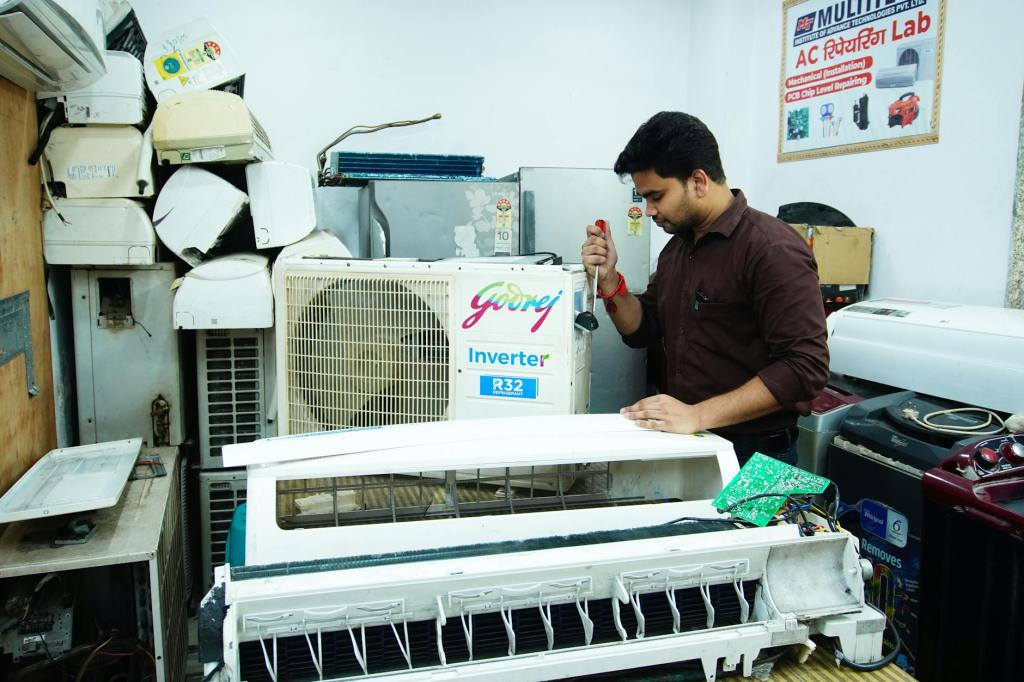


In West Texas, a failing air conditioner can quickly become more than an inconvenience. During peak summer months, temperatures in Odessa often remain dangerously high well into the evening, placing constant pressure on residential cooling systems. When an AC unit suddenly stops working during extreme heat, homeowners need fast solutions to restore indoor comfort and protect their living environment.
Many air conditioning failures occur without warning during periods of heavy usage. However, most emergency breakdowns actually begin with smaller problems that develop over time. Weak airflow, unusual noises, rising energy bills, and inconsistent cooling are often early signs of system stress that eventually lead to larger failures if ignored.
Understanding what causes emergency AC breakdowns — and how homeowners can respond quickly — can help reduce repair costs and minimize the risk of complete system failure during the hottest part of the year.
Why West Texas Conditions Are Hard on Air Conditioners
The Odessa climate creates demanding conditions for HVAC systems throughout the summer. Air conditioners may run for most of the day during extended heat waves, especially in homes with older insulation or inefficient duct systems.
Several environmental factors contribute to system wear:
- Continuous cooling cycles
- High outdoor temperatures
- Dust accumulation around outdoor units
- Dry air conditions
- High attic temperatures
- Aging ductwork and insulation
Over time, these conditions increase strain on compressors, blower motors, electrical components, and refrigerant systems.
Even well-maintained equipment can experience problems when systems are operating under near-constant demand.
Common Causes of Emergency AC Breakdowns
Many emergency repair calls result from a combination of heavy usage and unresolved maintenance issues.
Refrigerant Leaks
Low refrigerant levels reduce cooling capacity and force the system to work harder. If left unresolved, this can eventually damage the compressor.
Dirty Coils
Evaporator and condenser coils collect dust and debris over time. Dirty coils restrict heat transfer and reduce cooling efficiency.
Electrical Failures
Worn capacitors, loose wiring, and failing relays are common causes of sudden AC shutdowns during periods of heavy operation.
Frozen Evaporator Coils
Restricted airflow or refrigerant issues may cause coils to freeze, preventing the system from cooling properly.
Blower Motor Problems
A failing blower motor may reduce airflow or stop circulating cooled air entirely.
Warning Signs Before an Emergency Happens
Air conditioning systems usually show signs of trouble before complete failure occurs. Recognizing these symptoms early can help homeowners avoid emergency situations.
Weak Airflow
Reduced airflow from vents often signals clogged filters, duct restrictions, or blower motor issues.
Uneven Cooling
Hot and cold spots throughout the house may indicate airflow imbalances or duct leakage.
Constant System Cycling
Short cycling places additional strain on HVAC components and often points to thermostat or airflow problems.
Strange Sounds
Grinding, buzzing, rattling, or squealing noises may indicate failing mechanical or electrical components.
Rising Energy Bills
An unexpected increase in electricity costs often signals declining system efficiency.
Why Airflow Problems Are So Common
Airflow issues are one of the leading contributors to emergency HVAC failures. Even a properly functioning air conditioner cannot cool effectively if conditioned air cannot move efficiently throughout the home.
Poor airflow may result from:
- Dirty filters
- Leaking ductwork
- Blocked return vents
- Crushed flexible ducts
- Dirty evaporator coils
- Failing blower motors
Older homes in Odessa frequently contain aging duct systems that reduce airflow efficiency over time.
When airflow becomes restricted, the HVAC system works harder to maintain temperature, increasing wear on critical components.
Dust Is a Major HVAC Challenge in Odessa
West Texas dust creates additional stress on HVAC systems. Fine airborne particles settle into outdoor units, ductwork, filters, and indoor components throughout the year.
Dust buildup may cause:
- Reduced airflow
- Overheating components
- Frozen coils
- Increased indoor allergens
- Reduced cooling efficiency
- Accelerated system wear
Homes located near construction sites, open fields, or unpaved roads are especially vulnerable to dust-related HVAC problems.
Routine maintenance and filter replacement help reduce the impact of debris accumulation.
Why Emergency Repairs Should Never Be Delayed
When an AC system begins malfunctioning during extreme heat, delaying repairs often leads to larger and more expensive problems.
For example:
- Low refrigerant may damage the compressor
- Electrical issues may affect multiple components
- Restricted airflow may freeze coils
- Overheating motors may fail completely
Addressing problems quickly often prevents secondary damage and reduces overall repair costs.
Homeowners searching for dependable emergency AC repair Odessa TX often benefit from HVAC providers who perform full system diagnostics rather than focusing only on temporary fixes.
Preventive Maintenance Helps Reduce Emergencies
Many emergency breakdowns can be prevented with regular HVAC maintenance. Seasonal inspections allow technicians to identify worn components before they fail during periods of extreme demand.
Routine maintenance typically includes:
- Cleaning condenser and evaporator coils
- Checking refrigerant levels
- Inspecting electrical connections
- Replacing or cleaning filters
- Testing thermostat operation
- Measuring airflow performance
- Inspecting ductwork for leaks
Preventive service improves efficiency while reducing stress on the HVAC system during peak summer temperatures.
Indoor Comfort Depends on More Than Temperature
A properly functioning air conditioning system affects more than cooling alone. Airflow quality, indoor air circulation, and humidity balance all contribute to overall comfort.
When HVAC systems struggle, homeowners may notice:
- Excess indoor dust
- Stale air circulation
- Uneven temperatures
- Dry indoor air
- Lingering odors
Maintaining proper airflow and clean HVAC components improves both comfort and indoor air quality.
Choosing the Right Emergency HVAC Provider
During an AC emergency, homeowners often need quick service. However, fast response alone is not enough. Proper diagnostics and long-term repair quality matter just as much.
A reliable HVAC company should provide:
- Thorough inspections
- Clear explanations
- Transparent pricing
- Airflow evaluations
- Experience with West Texas climate conditions
- Emergency service availability
Technicians familiar with Odessa’s environmental challenges are often better equipped to identify the root causes of recurring cooling problems.
Conclusion
West Texas summers place tremendous stress on residential cooling systems. Extreme heat, dust exposure, airflow restrictions, and continuous operation all contribute to emergency HVAC breakdowns during peak cooling season. While many failures begin gradually, early attention to warning signs can often prevent costly system damage and sudden loss of cooling.
By scheduling routine maintenance, addressing airflow issues promptly, and responding quickly to developing problems, homeowners can reduce the likelihood of emergency breakdowns while improving long-term HVAC performance and indoor comfort.


 Code Blog
Leave a comment