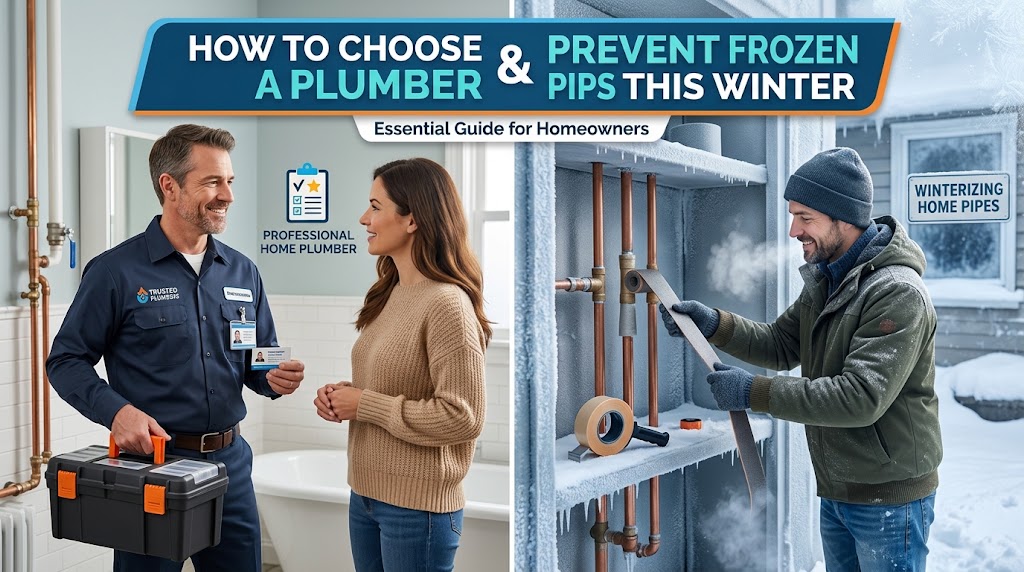


A plumbing bill is one of those expenses that rarely arrives on a schedule. Whether you own a home or manage a small rental property, a burst pipe in January can mean water damage, lost time, and a scramble to find someone reliable. Two habits reduce that risk: preparing your plumbing before the cold hits, and knowing how to pick a good plumber before you need one.
Why North Idaho Winters Are Hard on Pipes
Water expands when it freezes, and that expansion is what splits pipes and fittings. In North Idaho, where temperatures can stay well below freezing for long stretches, pipes in unheated spaces are most at risk. Think exterior walls, crawlspaces, garages, attics, and anything running near a vent or an uninsulated corner.
A frozen pipe does not always burst right away. The damage often shows up when it thaws and the pressure releases, which is why a trickle of water or a sudden drop in flow during a cold snap deserves attention.
Winterizing Steps That Actually Help
Most of the useful prevention work is simple and inexpensive. Do it in the fall, before the first hard freeze.
- Disconnect garden hoses and shut off the water to outdoor spigots from the inside valve if you have one, then open the outdoor faucet to drain what remains. A hose left attached can trap water that freezes and pushes back into the pipe.
- Insulate exposed pipes in crawlspaces, basements, and garages with foam sleeves. They are inexpensive and easy to fit. Seal gaps where cold air gets in around pipes, such as cable openings or foundation cracks.
- Know where your main shutoff valve is and make sure everyone in the household can find it and turn it. If a pipe does burst, shutting off the water quickly limits the damage dramatically. Test the valve once a year so you know it works.
- Keep the heat on. If you travel, set the thermostat no lower than about 55 degrees Fahrenheit, and ask someone to check on the house during long absences. Open cabinet doors under sinks on exterior walls during extreme cold so warm air can reach the pipes.
- During a deep freeze, let a faucet drip slightly, particularly the one served by the most exposed line. Moving water is much harder to freeze, and the small cost of the extra water is minor compared with a repair.
If a Pipe Freezes Anyway
If you turn on a faucet and nothing comes out, a frozen pipe is likely. Keep the faucet open, then warm the area gently with a hair dryer or heating pad, working from the faucet back toward the frozen section. Never use an open flame or a torch, which creates a fire hazard and can damage the pipe. If you find a crack, shut off the main valve and call a licensed professional immediately. If you cannot find the frozen section or it is inside a wall, do not guess. Call for help.
Hiring in the middle of an emergency makes it harder to compare options, so it helps to do a little homework early. A few questions separate a dependable plumber from a risky one.
- Ask whether they are licensed and insured in Idaho, and whether they can give you that information when asked.
- Ask whether they offer emergency service, and how fast they can usually respond in winter.
- Ask who will actually be doing the work and whether the technician is experienced with your type of problem.
Pay attention to how they communicate. A good plumber explains what is wrong in plain language, shows you the problem when possible, and lays out your options instead of pushing only the most expensive one. Local knowledge matters here too. Someone who works in your area every day understands the local weather, the ground, the age of the housing, and the typical issues that come with them. For example, Believe Plumbing works across Sandpoint, Coeur d’Alene, Post Falls, and the surrounding area, which is the kind of regional familiarity worth asking any provider about.
What an Honest Estimate Looks Like
A trustworthy estimate is written, itemized, and specific. It names the work to be done, the parts and materials, the labor, and any extra fees such as permits or disposal. It explains whether the price is fixed or could change if something unexpected is found, and it tells you what happens in that case.
Be cautious about a very vague quote, pressure to decide immediately, or a price that comes with no explanation. Getting a second opinion on a large repair is normal, and a professional will not be offended by it. Ask what warranty or guarantee covers the work, and get it in writing instead of relying on a verbal promise.
Compare more than the bottom line. The lowest number is not always the best value if it leaves out work you will need anyway, or comes from someone who is hard to reach later.
Put It All Together
Preparation is quiet work. A few hours in autumn, an insulated pipe, a labeled shutoff valve, and a short list of vetted plumbers take away most of the panic that comes with a winter plumbing failure. Do those things now, while it is easy, and a cold night is far less likely to turn into a costly one.





Leave a Reply